
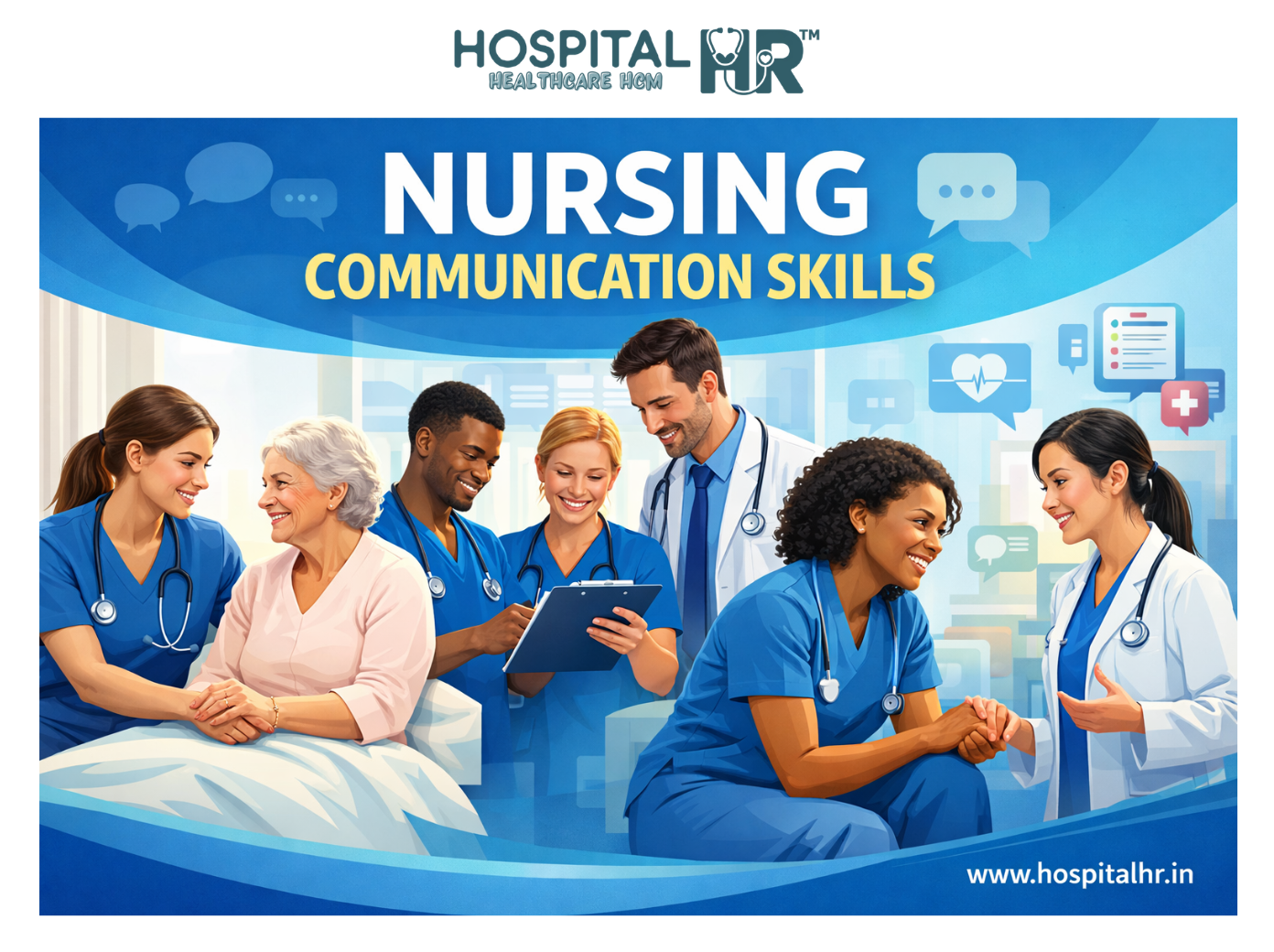
Nursing Communication Skills
Effective communication is one of the most essential skills in nursing. It ensures patient safety, builds trust, and improves the quality of care...
1. Active Listening
- Pay full attention to the patient without interrupting.
- Reflect back what the patient says to confirm accuracy.
- Use verbal and non-verbal cues (like nodding or maintaining eye contact) to show understanding.
2. Empathy and Compassion
- Show genuine concern for patients’ feelings and experiences.
- Use phrases that validate emotions, such as “I understand this must be difficult for you.”
3. Clarity and Simplicity
- Avoid jargon that may confuse patients or families.
- Use clear, simple language when explaining medical terms or procedures.
4. Non-Verbal Communication
- Be mindful of facial expressions, tone, and gestures.
- Maintain appropriate eye contact and open body posture.
5. Cultural Sensitivity
- Adapt communication methods to meet diverse patient needs.
- Respect cultural differences in communication styles, beliefs, and values.
6. Documentation and Reporting
- Record information accurately and promptly.
- Use standardised formats (like SBAR: Situation, Background, Assessment, Recommendation) for handovers.
7. Therapeutic Communication Techniques
- Use open-ended questions to encourage dialogue.
- Practice silence when needed to allow patients time to think or express emotions.
8. Team Communication
- Collaborate effectively with other healthcare professionals.
- Use assertive but respectful communication to advocate for patient needs.
9. Feedback and Reflection
- Reflect on interactions to identify strengths and areas for growth.
- Seek feedback from colleagues and patients to improve communication.
Frequently Asked Questions
Nursing communication skills refer to the ability of nurses to exchange information effectively with patients, families, and healthcare teams. These skills include verbal, non-verbal, and written communication, active listening, empathy, and clarity. Strong communication ensures accurate patient care, reduces errors, and enhances patient satisfaction in healthcare settings.
Communication skills are essential in nursing because they directly impact patient safety, care quality, and treatment outcomes. Effective communication helps nurses understand patient needs, provide clear instructions, and collaborate with healthcare teams. It also reduces misunderstandings, prevents medical errors, and builds trust between patients and healthcare professionals in clinical environments.
Nurses can improve communication skills through continuous practice, training programs, and feedback. Techniques include active listening, maintaining eye contact, using simple language, and practicing empathy. Participating in role plays, attending workshops, and using simulation-based training also enhance communication skills, helping nurses interact more effectively with patients and colleagues.
Examples of effective communication in nursing include clearly explaining treatment plans, actively listening to patient concerns, using non-verbal cues like eye contact, and providing reassurance. Communicating during handovers using structured formats like SBAR and documenting patient information accurately are also key examples of professional nursing communication in practice.
SBAR stands for Situation, Background, Assessment, and Recommendation. It is a structured communication tool used by nurses to convey critical patient information clearly and efficiently. SBAR improves communication among healthcare teams, enhances patient safety, and reduces errors by standardizing how information is shared in clinical settings.
Effective communication skills significantly improve patient safety by ensuring accurate information exchange among healthcare providers. Clear communication reduces the risk of medication errors, misdiagnosis, and treatment delays. It also helps in proper documentation, timely reporting, and coordinated care, which are essential for maintaining high standards of patient safety in hospitals.
Common barriers to effective communication in nursing include language differences, workload pressure, lack of training, emotional stress, and environmental distractions. Cultural differences and poor listening skills can also hinder communication. Addressing these barriers through training, teamwork, and standardized communication tools helps improve overall healthcare communication effectiveness.
Empathy plays a vital role in nursing communication by helping nurses understand and respond to patients’ emotional and psychological needs. Demonstrating empathy builds trust, improves patient satisfaction, and enhances the overall care experience. It also encourages patients to share important information, leading to better diagnosis and treatment outcomes.
Effective communication improves teamwork in healthcare by ensuring that all team members share accurate and timely information. It promotes collaboration, reduces conflicts, and enhances coordination among doctors, nurses, and other staff. Clear communication leads to better decision-making, efficient workflows, and improved patient outcomes in multidisciplinary healthcare environments.
Good communication skills provide numerous benefits for nurses, including improved patient satisfaction, reduced errors, and stronger professional relationships. They enhance confidence, support effective teamwork, and contribute to better clinical outcomes. Strong communication also helps nurses meet healthcare standards such as NABH and JCI requirements for quality and patient-centered care.

Comments (0)
No comments yet. Be the first to comment!